Forestry Mulching vs. Land Clearing: Which Is Right for Your Maine Property?
Discover the differences in cost, efficiency, and ground preparation when choosing the best clearing method for your Southern Maine property.
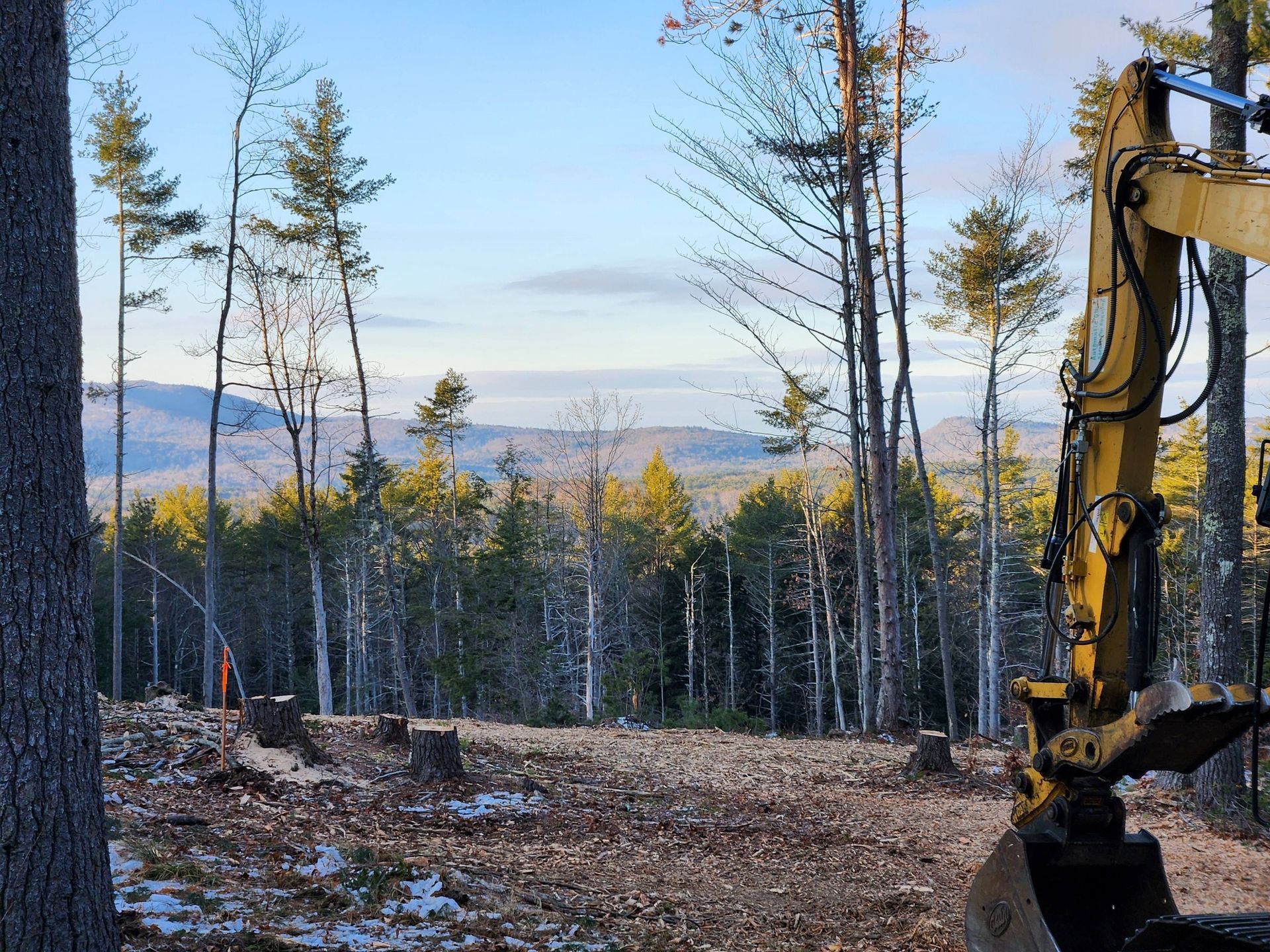
Overgrown brush, thick vegetation, and wooded areas can prevent homeowners from making full use of their property. Whether you're planning to build a new home, expand your backyard, create recreational trails, or reclaim unused acreage, choosing the right clearing method is an important first step.
Two common approaches are forestry mulching and traditional land clearing. While both remove unwanted vegetation, they serve different purposes and produce different results.
Forestry mulching is generally better suited for removing brush and reclaiming overgrown land, while traditional land clearing is often necessary when preparing a property for construction or projects that require complete stump and root removal.
At White's Performance Machines (WPM), we help Southern Maine property owners prepare their land for its intended use through lot, lot clearing, and residential excavation services.
What Is Forestry Mulching?
Forestry mulching is a land management method that uses specialized machinery to grind unwanted trees, brush, saplings, and other vegetation into small wood particles.
Instead of gathering vegetation into piles or transporting it off the property, the material is processed directly on-site and left as a layer of organic ground cover.
Forestry mulching is particularly useful for:
- Reclaiming overgrown residential properties.
- Clearing recreational and walking trails.
- Maintaining wooded property boundaries.
- Removing dense brush and unwanted undergrowth.
- Improving access to previously unusable areas.
- Selectively clearing vegetation while preserving desirable trees.
For many homeowners in Southern Maine, forestry mulching offers a practical way to improve the usability of their property without completely removing its natural landscape.
What Is Traditional Land Clearing?
Traditional land clearing involves removing unwanted trees, vegetation, stumps, and other obstacles to prepare an area for a specific purpose.
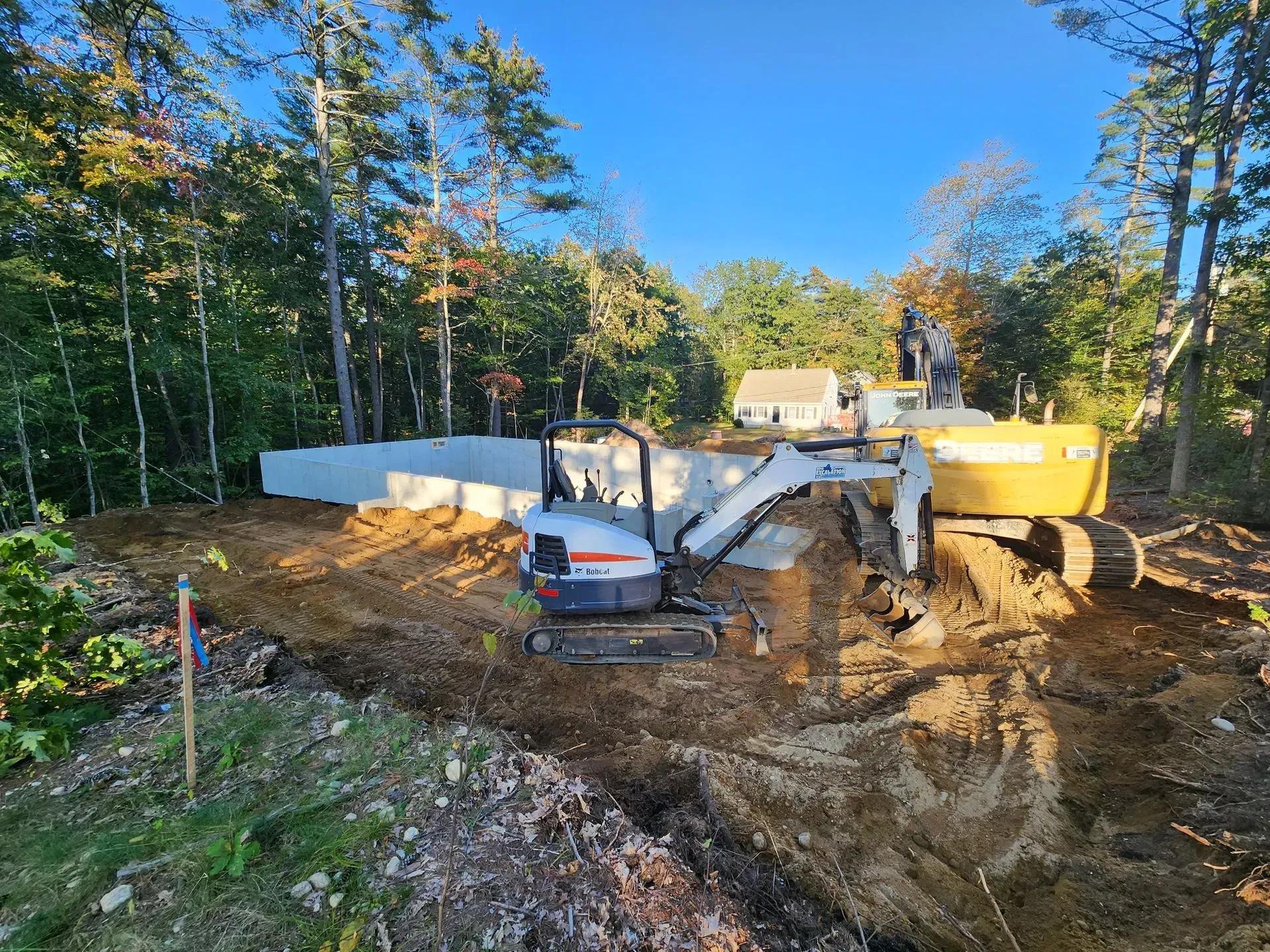
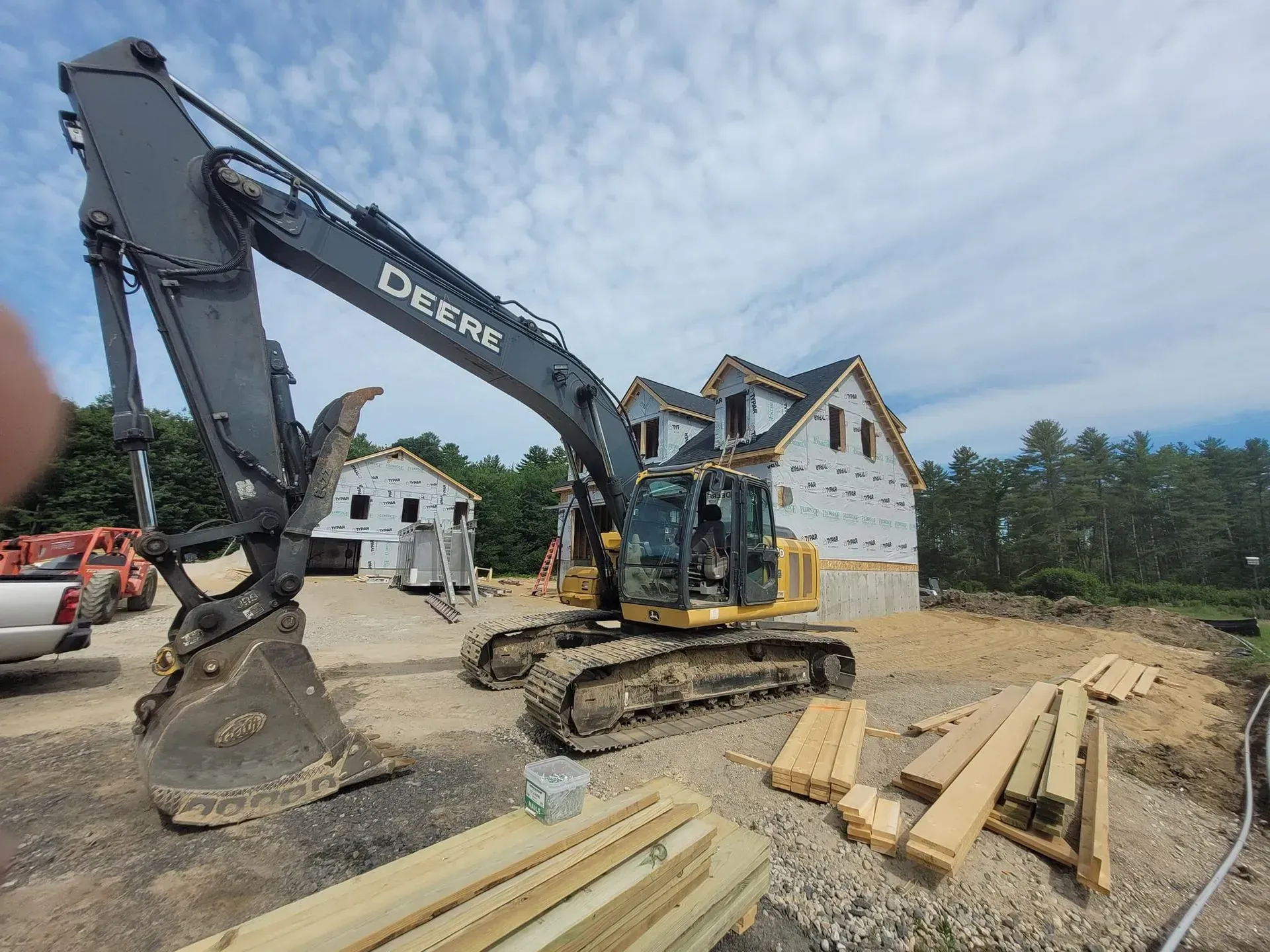
Depending on the project, contractors may use excavators and other heavy equipment to remove root systems, handle debris, and prepare the ground for additional sitework.
Traditional lot clearing is often the preferred approach for:
- New residential construction.
- Home additions and detached garages.
- Driveway installation and expansion.
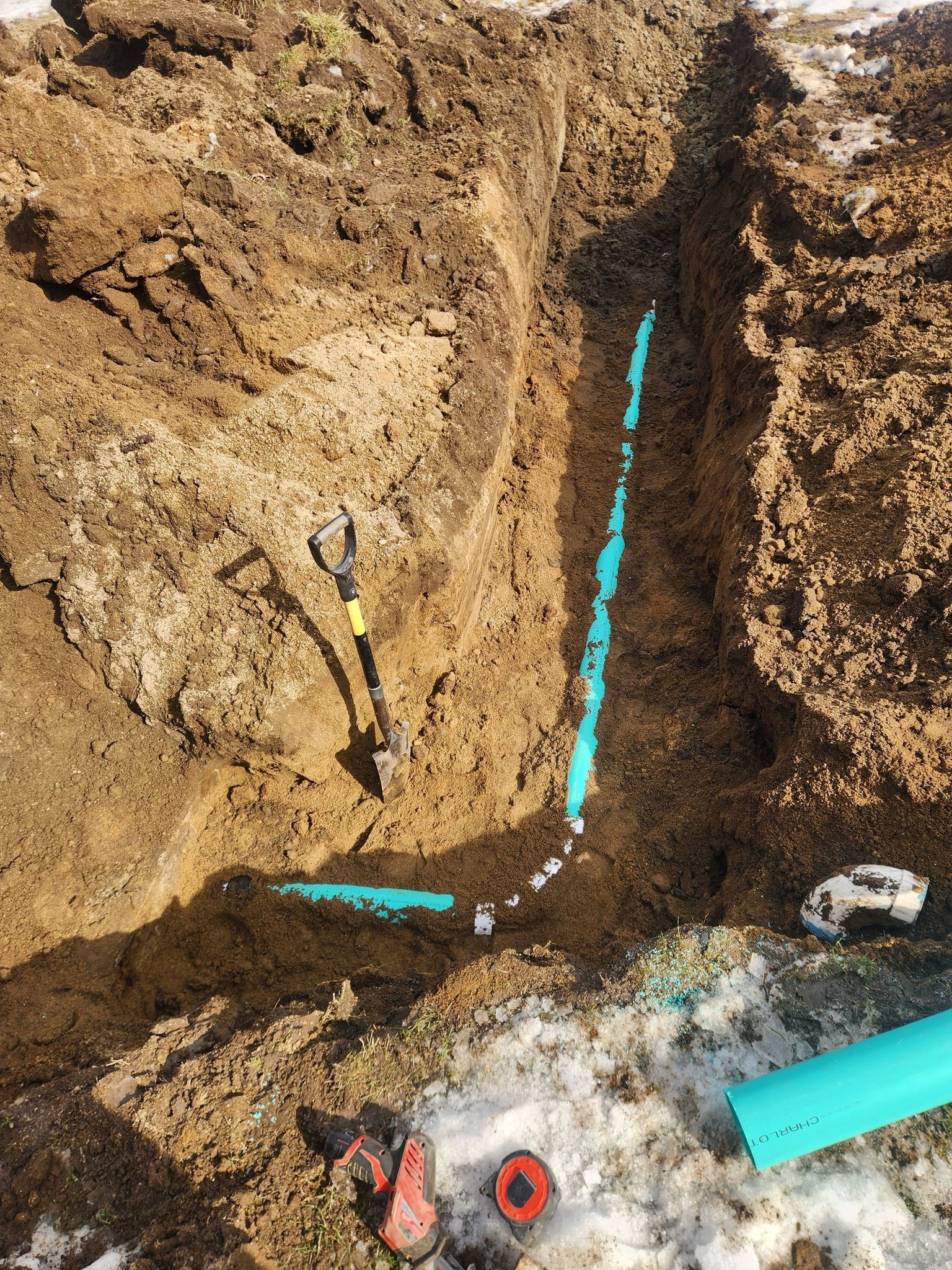
- Foundation and septic system preparation.
- Property development.
- Projects requiring extensive grading or stump removal.
Unlike forestry mulching, traditional clearing can address underground obstructions that would otherwise interfere with construction.
Forestry Mulching vs. Traditional Land Clearing: Key Differences
Understanding the differences between these two methods can help you choose the right service for your property.
| Feature | Forestry Mulching | Traditional Land Clearing |
|---|---|---|
| Best Application | Brush removal and property reclamation | Construction and development |
| Vegetation | Ground into mulch | Removed or processed separately |
| Stumps and roots | Roots generally remain | Can be fully excavated |
| Soil disturbance | Generally less | Often more extensive |
| Debris hauling | Usually minimal | May be required |
| Construction readiness | Additional sitework may be needed | Better suited for further site preparation |
Neither method is universally better than the other. The right approach depends on your property's existing conditions and what you plan to accomplish once the land has been cleared.
Some projects benefit from a combination of both services.
Is Forestry Mulching Cheaper Than Land Clearing?
Forestry mulching can be more cost-effective than traditional land clearing when the primary goal is removing brush, saplings, and dense undergrowth.
Because vegetation is processed on-site, forestry mulching can reduce the need for debris hauling, disposal, and additional equipment.
However, the total cost of clearing land in Maine depends on several important factors:
- Size of the area being cleared.
- Density and size of existing vegetation.
- Property accessibility.
- Terrain, slopes, and rocky ground.
- Stump and root removal requirements.
- Material hauling and disposal.
- Additional excavation or grading needs.
A heavily wooded building lot requiring complete root removal will typically involve more work than an overgrown backyard that only needs brush clearing.
When comparing estimates, consider the condition you need the property to be in when the work is completed. Choosing a less expensive clearing method may result in additional costs later if the land requires further preparation.
For homeowners planning construction, understanding residential excavation costs in Maine can also help establish a more realistic project budget.
Which Clearing Method Is Best for Maine Properties?
Southern Maine properties vary significantly in terrain, vegetation, soil conditions, and intended use. From wooded acreage in Shapleigh to residential building lots in Sanford and Saco, each property presents different challenges.
Choose Forestry Mulching for Property Reclamation
If your goal is to regain usable outdoor space, improve access to wooded areas, or manage dense vegetation without extensive excavation, forestry mulching may be the better option.
The remaining mulch can help cover exposed soil and reduce surface erosion under suitable conditions.
However, vegetation may eventually return, particularly when invasive plants or established root systems remain underground. Periodic maintenance may be necessary.
Choose Traditional Land Clearing for Construction
If you're preparing for a new home, garage, driveway, or septic system, traditional clearing is generally more appropriate.
Construction projects often require the removal of stumps, roots, and organic material that could interfere with excavation or contribute to ground settlement over time.
Professional residential excavation services can then help prepare the cleared area for the next phase of construction.
Consider Combining Both Methods
Larger properties may benefit from a combination of forestry mulching and traditional clearing.
For example, a homeowner preparing a wooded lot for a new house may use traditional clearing within the building footprint while selectively mulching surrounding areas to improve access and preserve the natural landscape.
This approach allows property owners to address different areas according to their intended use.
Can You Clear Land During the Winter in Maine?
Late fall and winter can be suitable times for certain forestry mulching and land clearing projects in Maine.
With deciduous trees losing their leaves, property boundaries, terrain, and areas of unwanted growth may become easier to identify.
Firm or frozen ground can also provide favorable equipment access on some properties. However, heavy snowfall, unstable ground, extreme temperatures, and changing weather conditions can affect project feasibility.
Homeowners planning construction or outdoor improvements for spring can use the colder months to discuss clearing requirements, evaluate their property, and coordinate future sitework.
Planning ahead can help reduce delays when construction season arrives.
Do You Need a Permit to Clear Land in Maine?
Permit requirements depend on the location, size, and purpose of the clearing project.
Properties near lakes, rivers, streams, wetlands, or protected shoreland areas may be subject to additional restrictions regarding vegetation removal and soil disturbance.
Municipal ordinances may also apply to clearing associated with new construction, driveway installation, or property development.
Before beginning work, homeowners should confirm applicable requirements with their local code enforcement office and relevant state agencies.
Identifying these requirements early can help prevent unnecessary expenses and project delays.
Frequently Asked Questions About Forestry Mulching and Land Clearing
How much does forestry mulching cost per acre in Maine?
Forestry mulching costs vary depending on vegetation density, terrain, accessibility, and the total area being cleared. Light brush removal generally requires less work than clearing dense growth on rocky or uneven land. A property-specific estimate provides the most accurate pricing.
Does forestry mulching remove tree stumps?
Forestry mulching can reduce some stumps to ground level, depending on equipment capabilities and stump size. However, it generally does not remove the entire underground root system. Excavation may be necessary when complete stump removal is required.
Can you build a house on land that has been forestry mulched?
Forestry mulching can help with initial property preparation, but additional clearing, stump removal, grading, and foundation excavation are typically required before construction can begin.
Does brush grow back after forestry mulching?
Yes. Some vegetation can regrow from remaining roots, seeds, and underground plant structures. Periodic maintenance may be needed to keep cleared areas open, particularly where invasive species are present.
How long does it take to clear an acre of land?
The timeline depends on vegetation density, equipment, terrain, accessibility, and the desired finish. Light brush clearing can generally be completed more quickly than clearing mature trees and removing large root systems.
Professional Forestry Mulching and Land Clearing in Southern Maine
Every property has different needs, and selecting the right clearing method can make a significant difference in the cost, efficiency, and long-term results of your project.
White's Performance Machines is a family-owned excavation and sitework company based in Shapleigh, Maine. Our team provides forestry mulching, lot clearing, residential excavation, and related services to help homeowners make better use of their land.
Whether you're reclaiming an overgrown backyard in Sanford, preparing a building lot in Saco, or planning improvements elsewhere in Southern Maine, we can help you determine the right approach for your property.
Contact White's Performance Machines today to discuss your project and request a free estimate.
Recent Posts